
Facebook Marketplace Scams in 2025: How to Protect Yourself When Buying or Selling
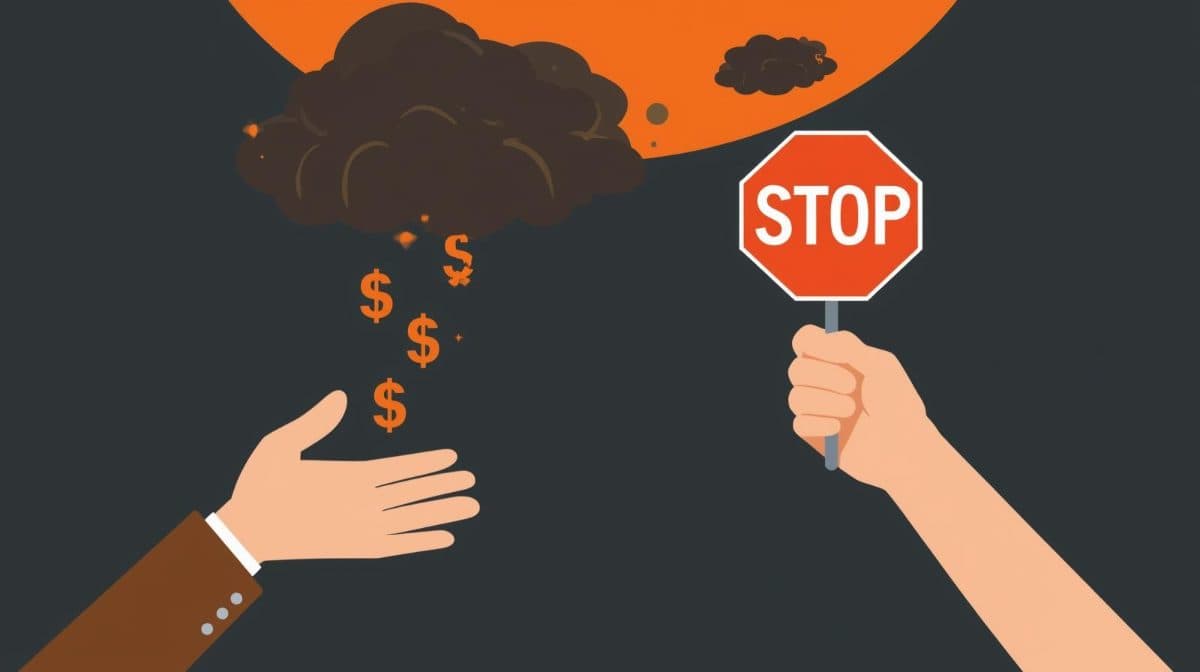
Every week, millions of people buy and sell equipment, tools, and everyday items on Facebook Marketplace, Craigslist, and OfferUp. Most transactions go smoothly. But a growing number don't—and the people who get burned often never see their money again.
After spending 13 years in financial investigations and fraud prevention, I've watched the same scam patterns I tracked professionally migrate to peer-to-peer marketplaces. The difference? The victims aren't financial institutions with fraud departments—they're regular people trying to sell a table saw or buy a used truck.
This guide covers the scams you're most likely to encounter and the practical steps to protect yourself. Whether you're buying or selling, these patterns are worth understanding before your next transaction.
The Payment App Problem Nobody Talks About
Here's what most people don't realize: Zelle, Venmo, CashApp, PayPal Friends & Family, Apple Pay, and cryptocurrency were never designed for buying things from strangers. They were built for splitting dinner with friends or paying your roommate for utilities.
When you use these apps with someone you don't know, you have virtually zero protection.
Zelle operates on the ACH banking network. Venmo and PayPal run on PayPal's network. In both cases, once you authorize a payment, the money is gone. There's no "dispute" button that magically retrieves your funds from a scammer's account.
How bad is it? According to CNN, only 12% of disputed Zelle transactions flagged as scams were actually refunded in 2024. That means 88% of scam victims never recovered their money.
The rule is simple: treat these payment methods like cash. If you wouldn't hand a stranger $500 in bills without holding the item in your hands, don't send it through Zelle either.
Payment Methods to Treat Like Cash
- Zelle
- Venmo
- CashApp
- PayPal Friends & Family
- Apple Pay (person-to-person)
- Any cryptocurrency
- Wire transfers
If a seller insists on one of these methods and won't consider alternatives, that's your signal to walk away.
The Overpayment Scam
This one catches sellers off guard because it seems like the buyer made an honest mistake.
Here's how it works: You're selling something for $300. A buyer sends you $350 through Zelle or another payment app, then immediately messages you: "So sorry, I accidentally sent too much. Can you refund me the extra $50?"
You send the $50 back. A few days later, the original $350 payment reverses—it was fraudulent, sent from a compromised account or with a stolen card. Now you're out the $50 you "refunded" plus whatever you sold.
The mechanics are straightforward: they send you money that isn't real, and you send them money that is.
The protection is equally straightforward: never issue a refund while the product is no longer in your possession. If someone overpays, tell them to cancel the original transaction and resend the correct amount. If they push back or create urgency, end the conversation.
If It's Too Good to Be True
Before you jump on an unbelievable deal, ask yourself one question: why would someone sell a $500 item for $150?
Sometimes there's a legitimate answer—they're moving, they inherited something they don't need, they just want it gone. But often there isn't.
Here's what to consider:
Factor in age and condition. A used piece of equipment with visible wear being sold at 60% of retail? That makes sense. A brand-new, factory-sealed item at the same discount? That's a red flag. New-in-box items at steep discounts are often counterfeit, stolen, or simply don't exist.
Request multiple photos. Ask for pictures from different angles, close-ups of any wear or damage, and photos of the item powered on if it's electronic. Scammers typically only have the photos they stole from legitimate listings.
Do your research. Spend two minutes checking what the item typically sells for. If the price is dramatically lower with no clear explanation, trust your instincts.
The goal isn't to be paranoid—it's to be appropriately skeptical when something doesn't add up.
Never Click the Link
If someone asks you to "verify" anything outside of the marketplace platform, it's a scam. Full stop.
This includes:
- Text messages asking you to confirm a verification code
- Emails claiming your account will be suspended unless you click a link
- Requests to verify your identity through an external website
- Messages from "Facebook Marketplace Assistant" or similar official-sounding accounts asking you to take action
These are social engineering tactics designed to steal your login credentials, hijack your phone number, or install malware on your device.
Think about it this way: you've probably received emails that look like they're from your bank saying "Click here to verify your account" or "Your password needs to be reset immediately." Legitimate banks don't operate this way—and neither do legitimate marketplaces.
If you ever have a real problem with your account, you can resolve it by going directly to the platform's website and logging in normally. Ninety percent of account issues can be fixed through official help channels without clicking a single link from an unsolicited message.
At Tool Pile, for example, we'll never send you an email asking you to click a link to reset your password. If you need to reset your password, we'll ask you to initiate that process yourself from our homepage. Any email claiming otherwise isn't from us.
The Privacy Problem Most People Ignore
Here's a risk that doesn't get enough attention: when you list something on Facebook Marketplace, you're often broadcasting your full name, your town, and photographic proof that you own something valuable.
For someone with bad intentions, that's enough information to find your home address in minutes.
This isn't theoretical. There's a pattern of marketplace-related robberies where thieves identify targets through their listings, locate their homes using publicly available information, and steal far more than just the listed item. Your listing photos might show your garage full of tools, your driveway with vehicles, or other valuables in the background.
Poor operational security—oversharing personal details online—turns a simple equipment listing into a target on your back.
Practical steps to protect yourself:
- Don't use your full real name in marketplace profiles if you can avoid it
- Be mindful of what's visible in your listing photos beyond the item itself
- Never share your home address until you've vetted the buyer and are ready for pickup
- Consider meeting in public locations instead of your home
This is exactly why we don't display full names publicly on Tool Pile. We collect identity information for safety purposes, but strangers browsing listings don't need to know your name or where you live. We've also removed image metadata from uploaded photos, so you're not unknowingly exposing your location data in posted images. There's simply no reason to hand that information to everyone on the internet.
Test Everything Before You Pay
Would you buy a used car without test driving it? Treat equipment purchases the same way.
For any significant purchase, take your time to:
- Power on electronics and verify they work
- Test moving parts, motors, and mechanical functions
- Check for damage, wear, or signs of repair
- Ask questions about the item's history and why they're selling
If a seller rushes you—"I have three other people interested" or "I need to leave in ten minutes"—that pressure is a red flag. Legitimate sellers understand that buyers want to inspect what they're paying for.
Think about it like taking a car to a mechanic before buying. A few minutes of inspection can save you hundreds of dollars and significant frustration. If you're not an expert on the equipment you're buying, bring someone who is.
And trust your gut. If something feels wrong about the transaction—the seller is evasive, the story keeps changing, the situation feels off—walk away. There will be other listings.
Deposits and "Hold" Payments
A seller asks you to send a deposit to hold an item before you've seen it. They promise they'll take down the listing and save it just for you. All you need to do is send $50 through Zelle to secure it.
Don't.
Until you've seen the equipment with your own eyes, keep your money in your pocket. Legitimate sellers understand buyer caution—anyone who's sold things online knows that no-shows and flaky buyers are part of the process. A real seller won't demand money upfront just to reserve something.
This applies to vehicles, equipment, rentals, and anything else with a "deposit to hold" request. The urgency these scammers create ("Someone else is coming to look at it tonight!") is designed to shortcut your judgment.
If you lose out on a deal because you wouldn't send money blindly, you didn't lose out on anything real.
Meet Safely
Online transactions eventually become real-world meetups. How you handle that transition matters.
Meet in public places. Police station parking lots, busy shopping center lots, bank lobbies, or your place of work are all reasonable options. Many police departments now offer designated "safe exchange zones" specifically for online marketplace transactions—well-lit, camera-monitored areas designed for exactly this purpose.
Don't meet at your home. There's no reason to show a stranger where you live, where you keep your other belongings, or who else lives there. The convenience isn't worth the risk.
Bring someone with you. For high-value transactions especially, having a second person present changes the dynamic. It's also just good practice to tell someone where you're going and when you expect to be back.
Keep it daytime. Meeting in a parking lot at 10 PM is not the same as meeting at noon. Visibility matters.
These precautions might feel excessive for a $50 transaction. But the habits you build on small deals protect you on large ones.
Quick Reference: The Rules That Matter
- Treat Zelle, Venmo, CashApp, PayPal F&F, and crypto like cash. Once sent, it's gone.
- Never refund an overpayment while the product is out of your possession. Have them cancel and resend.
- Never click links or "verify" anything outside the marketplace platform. Go directly to the site yourself.
- Test everything before handing over money. Take your time. Bring someone knowledgeable if needed.
- Meet in public during daylight hours. Don't invite strangers to your home.
- Question deals that seem too good. Factor in age and condition. Brand new at 70% off is suspicious.
- Protect your identity. Your full name and location aren't required for a transaction.
- If something feels wrong, walk away. There will always be another listing.
Why We Built Tool Pile
I started Tool Pile because I saw these problems firsthand and knew there had to be a better way.
The big platforms optimize for volume—more listings, more transactions, more fees. Safety is an afterthought, bolted on after the fact. Your full name is broadcast to strangers. Payment scams are your problem. And when something goes wrong, you're on your own.
We're building something different: a local equipment marketplace for the NY/NJ/CT area where privacy protection and manual listing review are built into the foundation. No exposed names, no shipping scams, no pressure to use unsafe payment methods—just straightforward transactions between real people who work with their hands.
It's not perfect yet. We're still growing, still improving. But every decision we make starts with a simple question: does this make the marketplace safer for the people using it?
If you're tired of dodging scams on Facebook Marketplace, come see what we're building.
Have questions about marketplace safety or want to share your own experience? Reach out—I read everything.
Frank has 13+ years in AML and financial crimes compliance. He built Tool Pile specifically to bring fraud prevention principles to contractor equipment marketplaces — anonymous listings, and scam detection baked in from day one.